Resilience does not mean staying calm through every setback or handling hard things alone. It is the ongoing work of responding, recovering, and adapting when life does not go as planned. If that sounds like a lot, start smaller: one pause, one helpful choice, or one request for support can be enough for today.
Our team put together this guide for anyone who wants steadier habits during a difficult season. You do not have to turn adversity into a success story to move through it. You can acknowledge what hurts and still look for a manageable next step.
Start With What Resilience Really Means
Resilience is a process, not a trait you either have or lack. It can look different from day to day. On Monday, you might change a plan after a setback. On Tuesday, you might need to rest or tell someone that you are struggling. Both can be ways of adapting.
Grief, frustration, and uncertainty can coexist with growth. You do not owe anyone a positive lesson about a painful experience. A more useful question may be, “What would help me get through the next part of this?” The American Psychological Association’s guidance on building resilience also emphasizes connection and practical ways of responding to challenges.
To begin, name one pressure you are facing. Then identify one thing within your control today. It might be making a call, moving a deadline, taking a break, or asking someone to help with a task. Keep the answer specific enough that you know what doing it would look like.
Build a Steadier Response, One Step at a Time
When several problems arrive at once, try a pause-and-plan routine. First, notice what is happening: “My plans changed, and I have three decisions to make.” Next, name the feeling without judging it: “I feel anxious and disappointed.” Finally, choose one next action. You do not need a complete solution before you can send a message, write down a task, or step away for a few minutes.
Small, repeatable supports can make that pause easier to find. A regular sleep schedule, a short walk, or a check-in with someone you trust are options—not requirements or tests of how well you are coping. Pick what fits your circumstances. If a walk is not practical, sitting outside briefly or changing rooms may give you a similar moment to reset. The CDC’s guidance on managing stress offers additional ideas for caring for yourself and connecting with others.
You may also find it useful to keep a brief record of what helps. A few words in a note—“called my sister; felt less alone”—are enough. Over time, those notes may show you patterns you can return to. If recording your thoughts starts to feel like another obligation, skip it. The goal is support, not a perfect routine.
Small Resilience Steps for Difficult Moments
| When you notice… |
Try this small step |
Why it may help |
| Feeling overwhelmed |
Write down the next single task. |
Narrows your focus to something actionable. |
| A harsh inner critic |
Describe the situation as you would to a friend. |
Makes room for a more balanced response. |
| Feeling isolated |
Send a brief message to someone you trust. |
Opens the door to connection without requiring a long conversation. |
| A setback in your plans |
Identify what changed and what remains possible. |
Helps you adjust rather than start from zero. |
These are starting points, not rules. If a step does not help, you can try another without treating the first attempt as a failure. Adapting your approach is part of resilience, too.
Make Room for Support and Recovery
Leaning on other people is not the opposite of resilience. Often, the hardest part is making a request clear enough for someone to answer. You could say, “Could you listen for ten minutes without trying to fix this?” or “Could you help me finish one errand this week?” If you are unsure what you need, “Can I tell you what is going on?” is a place to start.
Rest matters as well. Taking an evening off from a problem is not the same as giving up on it. Recovery time can help you return with more capacity to decide what comes next. You may still need to adjust your expectations or ask for help; resting does not have to solve everything to be worthwhile.
If distress feels persistent or unmanageable, consider reaching out to a qualified mental health professional. Our digital guides are personal-growth resources, not substitutes for professional care. You deserve support that fits what you are experiencing.
Keep a Practical Guide Close
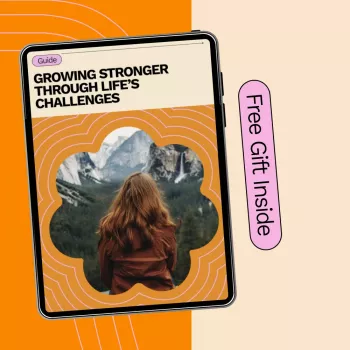
If you would like a dedicated resource to revisit while working through adversity, our Growing Stronger Through Life’s Challenges practical resilience guide is a personal-growth digital download available for $5.99. It is an option when you want to spend more time with the subject, not a prerequisite for taking a helpful step today.
Consider what you need before choosing a resource. If your immediate challenge is responding to setbacks in your own life, the resilience guide is the closer fit. If you are also responsible for guiding a group through change, our Lead the Way leadership digital download addresses inspiring and guiding others instead. Neither replaces asking for direct support when you need it.
FAQ
Can resilience be built as an adult?
Yes. You can build resilience through manageable habits, supportive relationships, and practice adapting to setbacks. Progress does not need to be quick or linear.
What is one way to start building resilience today?
Choose one current difficulty, name something within your control, and take one small action—such as asking for support or planning your next task.
Does being resilient mean handling problems on your own?
No. Reaching out to trusted people and seeking professional support when needed are both compatible with resilience.
Recommended for you











Leave a comment