A comfortable shower routine doesn’t have to be complicated. Gentle cleansing, occasional exfoliation and a little moisturizer afterward can help your skin feel smooth and cared for. If reaching your back with a washcloth feels awkward, a long body scrubber offers a simple alternative. For more guidance, see Sunvitae Bath Sponges Loofahs,Shower Puff 80 Grams ….
Our team likes an approach that puts comfort first: use a light touch, notice how your skin responds and give it time between exfoliating sessions. The goal is a routine you can enjoy, not a vigorous scrub that leaves your skin feeling tender. For further reading, see 2026 Top Pick Bath Sponges.
Why Choose a Long Body Scrubber?
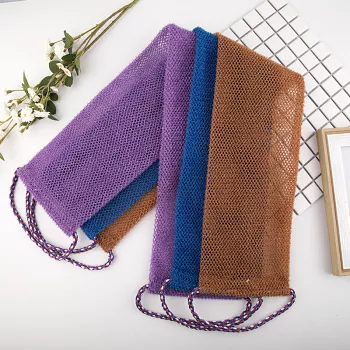
Our Exfoliating African Net Bath Sponge has a long design that makes it easier to reach across your back and wash other areas of your body. You can hold the ends and move it gently across areas that may be difficult to reach with a smaller sponge.
The net texture provides physical exfoliation, which helps remove dead skin cells from the skin’s surface. That can leave skin feeling smoother, but there’s no need to chase an immediate transformation. A comfortable, consistent routine matters more than trying to scrub away every rough patch at once.
A long sponge also gives you options: you can use the extended length for your back or gather the material in your hands for areas that are easier to reach. Whatever method you choose, keep your strokes gentle and avoid pressing hard.
How to Use Your African Net Bath Sponge
Start by wetting both your skin and the sponge in the shower. Apply a small amount of a gentle body cleanser to the sponge, then work it into a lather. You can add a little more water if needed to help the cleanser spread comfortably.
Move the sponge over your skin with light pressure and easy strokes. For your back, hold an end in each hand and gently draw the length across the area. On your arms and legs, use comfortable strokes rather than scrubbing the same spot repeatedly.
Pay attention as you go. Exfoliation shouldn’t feel painful, and more pressure doesn’t necessarily mean better results. Avoid using the sponge on broken, sunburned or irritated skin, and stop if you experience discomfort.
When you’re finished, rinse your skin thoroughly to remove cleanser and loosened debris. Pat dry and apply moisturizer after bathing to help keep skin comfortable. A simple, fragrance-free moisturizer can be a practical choice if your skin is easily bothered by scented products.
Find a Comfortable Exfoliation Rhythm
There’s no single schedule that works for everyone. Start gently, with sessions spaced apart, and give your skin time to show you how it feels. If your skin tends to be sensitive, you may need to exfoliate less often or use a gentler method.
Scrubbing harder or exfoliating more frequently can irritate skin rather than make it feel better. Dryness, tightness or redness are useful signs to pause and reconsider your routine. The American Academy of Dermatology’s guide to exfoliating at home also recommends choosing a method that suits your skin and being gentle.
If you’re unsure whether exfoliation is right for you, or if you’re managing a skin condition, ask a dermatologist for advice. Some skin care products and treatments can make skin more sensitive, so your routine may need to change over time.
A Simple Guide to Comfortable Exfoliation
| Skin response |
What to do |
| Skin feels comfortable |
Continue with gentle pressure and allow time between sessions. |
| Skin feels dry or tight |
Exfoliate less often and moisturize after bathing. |
| Skin becomes red or irritated |
Stop exfoliating and let skin recover. |
Keep Your Shower Sponge Fresh
After each use, rinse the sponge thoroughly to remove cleanser and debris. Let it dry between uses rather than leaving it in a damp pile. Giving it space to dry makes it easier to keep clean and ready for your next shower.
Keep your sponge for personal use instead of sharing it with others. Take a moment to inspect it regularly, too: replace it if it develops an odor, becomes damaged or can no longer be cleaned effectively. Caring for your sponge is a small step that fits naturally into the end of your shower routine.
Make Smooth Skin Part of Your Routine
Think of exfoliation as an occasional addition to everyday care. Cleanse gently, use the net sponge when your skin is ready for it and follow up with moisturizer. On days when your skin feels dry or sensitive, it’s fine to skip the sponge and focus on gentle cleansing and moisturizing instead.
Ready to make reaching your back a little easier? Explore our long body scrubber and find a comfortable rhythm that works for you.
For another practical read from our store, explore Fuel Facts vs. Fiction, our digital guide to fuel myths and octane ratings.
FAQ
How often should I use an African net bath sponge?
Start with sessions spaced apart and adjust based on how your skin responds. Sensitive skin may need less frequent exfoliation.
Can I use the sponge on sensitive skin?
Use extra caution and light pressure, avoid irritated areas and stop if you feel discomfort. If you’re unsure whether exfoliation is suitable for your skin, consult a dermatologist.
How should I care for the sponge after a shower?
Rinse it thoroughly and let it dry between uses. Replace it if it becomes damaged, develops an odor or cannot be cleaned effectively.
Recommended for you












Leave a comment