What are simple systems?
Simple systems are repeatable ways to complete everyday tasks with fewer decisions and less effort. They give you a clear place to start, a small set of steps to follow, and an easy way to keep things working over time.
In a pantry, a simple system might mean grouping breakfast foods together, keeping everyday ingredients within reach, and putting new purchases behind older ones. The goal is not a perfect-looking shelf. It is a setup that helps you find what you need and put it away again.
What makes a system simple?
A useful system fits your routine instead of asking you to change everything about it. We recommend starting with these principles:
- Keep categories broad. Groups such as snacks, baking supplies, and canned goods are easier to maintain than a separate spot for every item.
- Make the next step obvious. A labeled bin or a designated shelf tells everyone where an item belongs.
- Use accessible storage. Place frequently used foods where you can reach them comfortably, and reserve higher shelves for less-used items.
- Build in a reset. A quick weekly check can help you return stray items and notice what needs replenishing.
How can you create a simple pantry system?
Start by taking stock of what you already have. Remove expired food, group similar items, and notice which products you reach for most often. Then assign each group a practical location based on your shelf space and daily habits.
Choose organizers only where they solve a problem. A shallow bin can keep small packets together, while a shelf riser can make cans easier to see. Clear containers may help you spot low supplies, but original packaging works well too. If you transfer food, keep its expiration date and preparation instructions accessible.
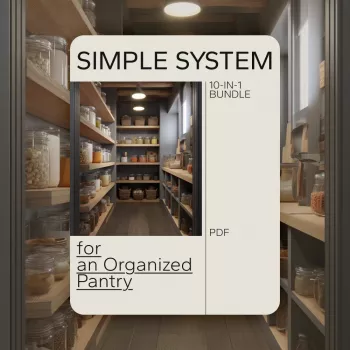
Leave a little open space for new groceries, and adjust the layout when your needs change. Our guide to a simple, organized pantry system offers more ideas for putting these habits into practice.
FAQ
How often should you reset your pantry?
A brief weekly reset is a practical starting point: return items to their places, check supplies, and move older foods forward. You can also do a more thorough cleanout whenever the shelves start feeling crowded.
Recommended for you













Leave a comment