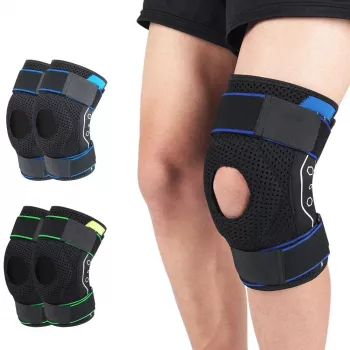
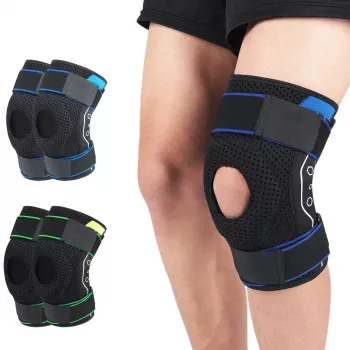
A knee brace should feel supportive without making everyday movement awkward. Our Hinged Knee Brace Adjustable Knee Support Sleeve Wrap combines a hinged design with an adjustable wrap. If you’re considering it for added support, the useful questions are straightforward: Can you get a comfortable fit? Does it stay in place when you move? And does wearing it make sense for what you plan to do?
What this brace is designed to offer
A hinged knee brace has structure along the sides of the knee while allowing it to bend. An adjustable wrap gives you a way to fine-tune how the brace sits. Those features may appeal to you if you want a more structured feel than a simple sleeve, but they do not establish a particular level of stabilization or make the brace suitable for every activity.
Supportive wear is also different from treatment. A brace may help you feel more supported during suitable daily activities, but it cannot tell you why your knee hurts or resolve the underlying cause. Rather than judging a brace by how tightly you can fasten it, pay attention to how your knee and the rest of your leg feel while you wear it.
Start with a fit you can comfortably move in
Before ordering, use any sizing instructions on the product page instead of guessing. Once you have the brace, try putting it on while seated so you can position it without balancing on one leg. If the brace has a designated knee opening or bend area, align your knee with it, then fasten the wrap evenly. You want it snug enough to stay positioned, not pulled as tight as possible.
Next, take a short walk and bend and straighten your knee a few times. The brace should remain in place without catching, pinching, or persistent rubbing. Numbness, a change in foot color or temperature, or increasing discomfort are signs to loosen or remove it. A wrap that only stays put when it feels uncomfortably tight is not a good fit for that moment; readjust it rather than trying to tolerate the pressure.
Fit can change as you move. A brace that feels fine while you stand still may feel different after you sit down, climb a few steps, or bend your knee repeatedly. Give yourself time for that brief movement test before relying on it for an outing.
Match the support to the moment
Routine walking and light daily tasks are reasonable situations in which to consider supportive wear. Start with a shorter period so you can assess comfort, then follow any directions supplied with the brace. A clothing layer, prolonged sitting, and repeated bending can all affect how a wrap feels throughout the day. Pause and readjust it when needed; you do not have to leave it in the same position from morning to evening.
Do not assume that a comfortable walk means the brace is appropriate for sports, rehabilitation, or a particular diagnosis. If you have an injury, ongoing knee trouble, significant swelling, or a feeling that the knee may give way, ask a healthcare professional for guidance rather than simply fastening the brace more tightly. The NHS guidance on knee pain can also help you recognize when symptoms call for medical attention.
A quick comfort check before you head out
| Check |
What to look for |
What to do if it feels wrong |
| Security |
The brace stays positioned during a few steps. |
Readjust the wrap; do not rely on excessive tightness. |
| Movement |
You can bend and straighten your knee comfortably. |
Reposition the brace or remove it if it catches or pinches. |
| Skin and circulation |
No persistent rubbing, numbness, or color change. |
Remove the brace and seek medical advice if symptoms persist. |
Make it part of a sensible knee-care routine
A brace is one possible tool, not a reason to push through pain. You may need to change an activity, take a break, or get advice about symptoms that continue or worsen. Knee concerns have different causes and care needs; the American Academy of Orthopaedic Surgeons’ information on knee osteoarthritis is one example of why support should be considered in the context of the condition, not as a substitute for an assessment.
After wearing the brace, check your skin for areas that remain irritated. Keep the brace clean according to any care directions supplied with it, and let comfort guide your next wear session. If an adjustable, hinged design suits your needs, our team invites you to explore the Hinged Knee Brace Adjustable Knee Support Sleeve Wrap. If you’re also shopping for your desk setup, you can browse our Hot Swap 71-Key Wireless Mechanical Gaming Keyboard; it is a separate product, not a knee-care aid.
FAQ
How tight should an adjustable knee brace feel?
It should feel snug enough to stay in place during normal movement, but not so tight that it pinches, rubs persistently, causes numbness, or changes your foot’s color or temperature. Loosen or remove it if those problems occur.
Can I wear a hinged knee brace all day?
Wear time depends on your comfort and individual needs. Start with a shorter period, follow any product directions, and ask a healthcare professional for advice if you’re using a brace for an injury or ongoing condition.
Will a knee brace fix knee pain?
A brace can provide support, but it does not identify or treat every cause of pain. Seek medical guidance for persistent or worsening symptoms, substantial swelling, or instability.
Recommended for you












Leave a comment